According to the Centers for Disease Control and Prevention (CDC), about one in four Americans over the age of 65 will experience a fall at home this year. Falls are the most common cause of injuries among older adults, often leading to lengthy hospital stays, reduced independence, and potential significant healthcare costs. The risks and possible consequences of falling increase with age and are a leading cause of death in the United States among this age group.
Through awareness, planning, and practical lifestyle adjustments, many falls can be avoided.
Facts about falling
- Falls are the leading cause of fatal and non-fatal injuries among older adults.[2]
- Among older adults who fall, more than half require hospital care. In 2021, falls were responsible for more than 3 million visits to a hospital emergency room for people age 65 and older. (American Journal of Lifestyle Medicine, 2021).
- Most falls that result in an emergency room visit among this population occur inside the person’s home. (American Journal of Lifestyle Medicine, 2021). The majority happen in the bedroom, on the stairs, or in the bathroom.
Risk factors leading to falls
There are a number of common risk factors that contribute to falls. Becoming aware of these factors, and taking steps to mitigate them, can significantly reduce the risk of falling.
According to the CDC:
- Once a person has fallen, their risk of falling again doubles. If you’ve experienced a fall, determine the cause of the fall and make changes or adjustments to prevent it from happening again.
- People with vision loss have almost twice the risk of falling than those without vision impairment. If you wear glasses or have impaired vision, take extra time and precautions in your home and outsides.
- People with hearing loss are nearly three times as likely to fall compared to those with normal hearing. Wearing a hearing aid can reduce your risk of falling by 50%.
- Lower body weakness can make it difficult to walk and maintain balance. Core exercises can help increase leg strength and balance and reduce the risk of falling.
- Certain medications, (e.g., antidepressants, sedatives, pain relievers) can have side effects such as dizziness and fatigue that increase the risk of falling. If you’re taking medication, check with your healthcare provider to see if there are side effects that may put you at risk for falls.
- Insufficient vitamin D levels can reduce bone density, increasing the risk of fractures from a fall. Talk to your healthcare provider to see if a Vitamin D supplement would be right for you.
- Alcohol consumption, especially among older adults, is a common cause of falling because it can impair cognitive functioning, leading to slower reaction times and less controlled movements.
- Chronic conditions, such as diabetes and arthritis, can increase the risk of falling due to neuropathy, pain, and other symptoms that affect walking and balance. [4] If you’ve been diagnosed with these conditions, talk to your healthcare provider about strategies for avoiding falls.
- Hazards in the home, including clutter (think that throw rug next to your bed or in the bathroom), poor lighting, and lack of supports such as grab bars, can result in falls. Modifying your living space to address these hazards can help reduce the risk of falls in the home.
Falls, with or without injury, can also impact your quality of life. Just the fear of falling causes many older adults to limit their activities and social engagements, which, in turn, can result in further physical decline, depression, social isolation, and feelings of helplessness.
Tips for preventing falls:
- Remain mindful of potential tripping hazards when walking around your home or outdoors. Remove throw rugs, a common trip hazard, from commonly used passageways. Easy home modifications, such as reducing clutter, installing bright (non-glare) lighting, non-slip flooring and adding non-slip mats in the tub, can reduce fall risks significantly.
- In winter, wear shoes with a good tread to improve traction, and consider a studded overshoe, like Yaktrax, for additional support. Avoid heels and leather soles on slippery surfaces.
- During slippery weather, keep a shovel and salt (or kitty litter) near your entryway. It will help provide traction and stability and reduce the risk of falling. Note: falling outdoors during winter is dangerous. Hypothermia can set in very quickly, resulting in severe injury or death.
- Keep hydrated to prevent low blood pressure and lack of balance, which can contribute to fall risk.
- Stay physically active, choosing exercises that strengthen your core, legs and hips. Exercising regularly can keep muscles and bones strong and improve balance, lowering the risk of a fall. Note: Always consult with your health care provider before beginning a new exercise routine.
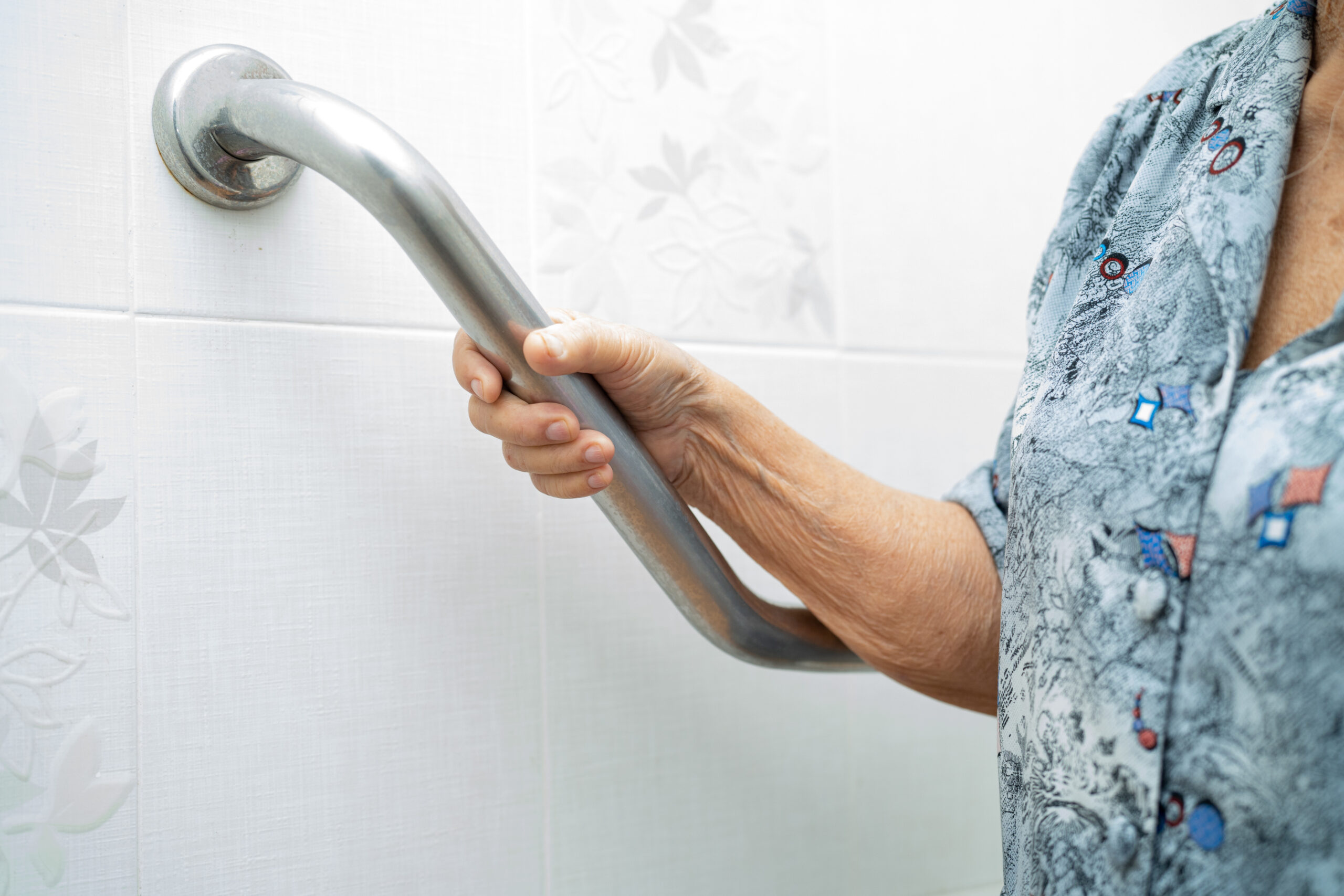
- Install grab bars in the tub and shower area, as well as beside the toilet.
- Avoid stairs when possible and consider installing a home stair lift or wheelchair ramp to prevent falls in a home with stairs.
- A fall out of bed in the middle of the night can result in serious injury. If this has already occurred, consider adding bed rails, pool noodles, or foam wedges to help prevent you from rolling out of bed.
- Using the bathroom — especially at night — can increase your chances of tripping or falling. Consider installing a motion sensor night light on your nightstand or placing a free-standing toilet close to the bed. Both tools can reduce your risk of falling at night.
- Consider purchasing a medical alert system. Medical alert systems can provide lifesaving assistance in an emergency, connecting users to dispatchers who can send for help.
Home Safety is Our Priority
At CVHHH, part of our mission is helping people remain in their homes, safely and independently. While falls become more common as people age, there are numerous strategies and home modifications that can help reduce, or even eliminate, the risk of falling. Your physician or home healthcare provider knows your situation best and can help you identify and make these modifications.
Want to learn more?
There are a few options for next steps and information, including an in-home evaluation from a CVHHH physical therapist. Contact Emily McKenna, Chief Advancement Officer, at 802-224-2215; or via email at emckenna@cvhhh.org, for information about starting care or for additional resources to help you and your loved ones stay safe at home.