Eating well as we age is essential for promoting overall well-being. A healthy, balanced diet can help strengthen immunity and lower the risk of developing chronic diseases like heart disease, hypertension, and diabetes. It can also deliver the nutrients your body needs to build and maintain strong bones.
What happens as we age?
As we grow older, our bodies undergo a variety of changes. Blood vessels may begin to stiffen, increasing the risk of cardiovascular issues. Bones can lose density and muscles become less flexible, both of which can affect mobility and balance. Our digestive systems become less resilient, and our memory and cognitive processing may begin to slow. Even our eyes and ears often need extra help to function effectively.
How can eating well help address these issues?
Eating the right mix of foods in the right amounts can go a long way toward keeping us healthy and active. While we generally require fewer calories as we age, our need for essential nutrients remains the same and, in some cases, may increase. Factors such as existing health conditions, prescription medications, and changes in body composition can also influence our nutritional needs. While not a cure-all, science has proven that increasing our intake of fruits, vegetables, whole grains, and dairy — while reducing our intake of foods with added sugars, saturated fats, and sodium — can play an important role in helping us maintain a healthy lifestyle and enjoy an enhanced quality of life.
Building blocks of a healthy diet:
- Fiber: Fiber is found primarily in plant-based foods such as fruits, vegetables, whole grains, and members of the bean family, also known as legumes. There are two main types of fiber:
- Soluble fiber slows digestion and helps lower cholesterol and blood sugar. Combined, these three attributes help people maintain a healthy weight. Soluble fiber is found in foods like oats, beans, bananas, avocados, and barley.
- Insoluble fiber can help reduce constipation, hemorrhoids, and inflammation. Good sources of insoluble fiber include whole-wheat flour, wheat bran, nuts, and vegetables such as cauliflower and green beans.[1]
- Healthy Fats: There are two main kinds of dietary fats: saturated and unsaturated
- Saturated fat tends to raise levels of cholesterol in the blood, increasing the risk of heart and blood vessel disease. Saturated fats are found in foods such as burgers, ice cream, cheese, and fried or processed foods. Limiting your intake of these foods can help protect your heart and blood vessels.
- There are two types of unsaturated fat: monounsaturated and polyunsaturated.
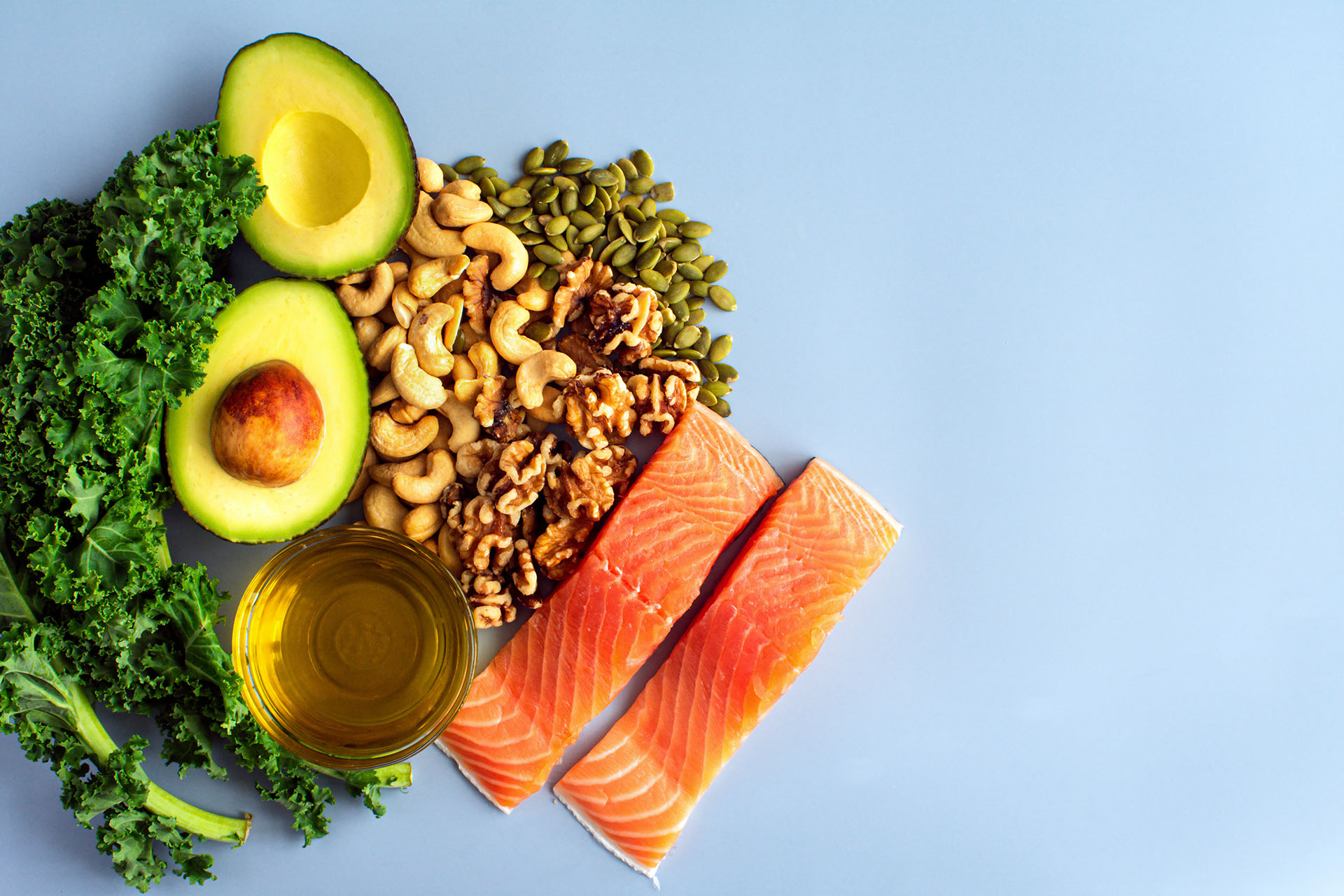
- Monounsaturated fats from plants, such as avocados, nuts, olive oil, and sunflower seeds help lower bad cholesterol and raise good cholesterol. Consuming plant-based foods rich in monosaturated fat can improve heart health and regulate the body’s blood sugar levels.
- Polyunsaturated fats (Omega 6 and Omega 3 fatty acids) offer many of the same benefits as monounsaturated fats. Sources of Omega 6 include oils from plants, such as corn, peanut, and sunflower, while sources of Omega 3 include fish and oils from foods like soybeans, walnuts and flaxseed.[2]
- Fruits and Vegetables: Eating a diet rich in fruits and vegetables has many benefits, including the prevention and management of certain chronic illnesses and cancer. Some of the most nutritious fruits include blueberries, strawberries, apples, and oranges. Vegetables such as spinach, broccoli, and kale are rich in vitamins C, A, and K, as well as fiber and antioxidants that support immune function. Antioxidants help boost immune function by neutralizing free radicals, unstable molecules that can damage cells and weaken immune response.[3]
- Dairy Products: Beginning at age 50, people lose slightly more bone mass each year than they gain. This process accelerates with age, especially for women, as estrogen levels decline. Eating dairy products like milk, yogurt, and cottage cheese, which deliver calcium, vitamin D, and protein, supports bone health and can slow age-related bone loss.[4]
Foods to Limit or Avoid:
- High-Sodium Foods: Foods that are high in sodium can raise blood pressure and strain the cardiovascular system. High sodium intake increases blood volume by pulling water into blood vessels, which, in turn, raises blood pressure. Over time, this can damage blood vessel walls, increasing the risk of heart disease and stroke. A good habit to get into is looking at the label on processed foods and avoiding those with high sodium content.[5]
- Refined Carbohydrates: Refined carbohydrates can cause rapid spikes in blood sugar levels because they are quickly digested and converted to glucose. This can lead to increased insulin secretion and, over time, may contribute to health issues like obesity and type 2 diabetes.
- Sugary Foods and Drinks: Sugary foods can increase inflammation and oxidative stress in the body, which negatively impacts cellular function.